

Uncategorized
How to Visit Armenia’s Monasteries With Ease
Oct
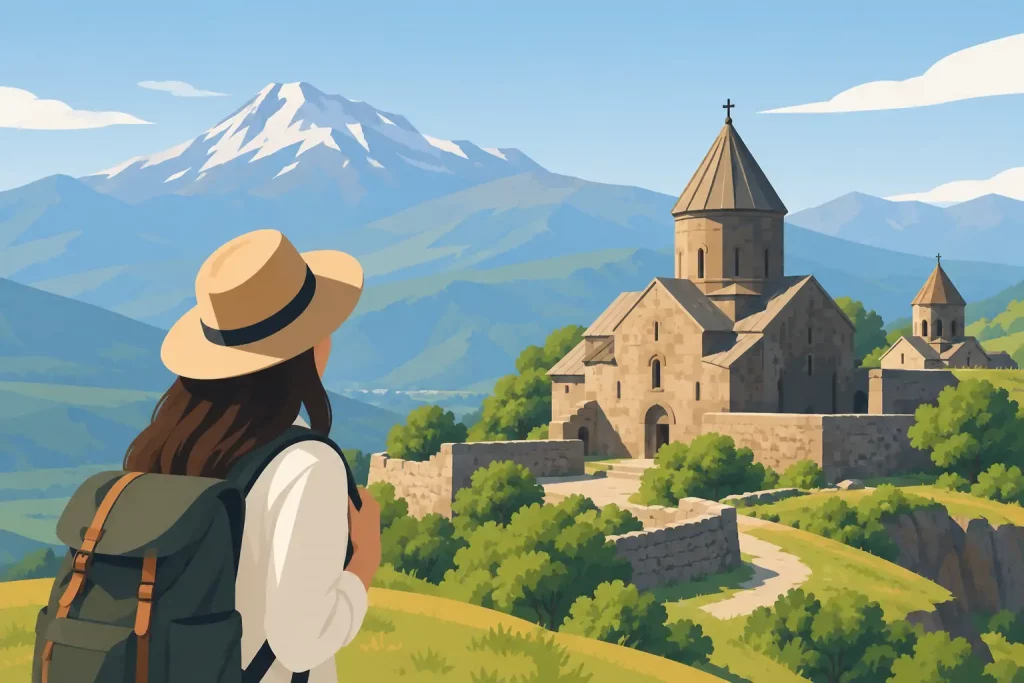
Armenia’s monasteries are rarely just a quick stop beside a parking lot. Many stand above deep gorges, beneath mountain ridges, or at the end of winding roads where the landscape is as memorable as the church itself. Knowing how to visit monasteries in Armenia helps you plan for more than sightseeing: it means allowing enough time, choosing the right transport, dressing respectfully, and understanding what you are seeing.
For travelers based in Yerevan, monasteries can be one of the easiest ways to experience the country’s history, scenery, and living traditions in a single day. With a well-planned route, even first-time visitors can travel comfortably without rushing through places that deserve a slower pace.
Start With the Right Monastery Route
Armenia has hundreds of religious sites, so trying to see too many in one trip can turn a meaningful experience into long hours in the vehicle. Choose routes based on geography, then build each day around two or three major stops.
The Garni-Geghard route is a popular first choice. Geghard Monastery is partly carved into rock and sits in a dramatic valley east of Yerevan. It pairs naturally with Garni Temple and a meal in a village setting. This route is generally manageable as a half-day or full-day outing, depending on how long you spend at each stop.
For a longer but rewarding day, consider Khor Virap, Noravank, and the Areni wine region. Khor Virap offers the classic view toward Mount Ararat on clear days, while Noravank rises from rust-colored cliffs in a narrow canyon. The roads are longer, but the changing scenery makes the journey part of the experience.
Travelers with more time should look north to Haghpat and Sanahin, two historic monastic complexes in the Lori region, or south toward Tatev Monastery. Tatev requires a full day from Yerevan, and many visitors prefer to include an overnight stay in southern Armenia. This allows time for the aerial tramway, mountain views, and an unhurried visit rather than a late return.
How to Visit Monasteries in Armenia Respectfully
These are active religious places, not museum sets. Visitors are welcome, but a respectful approach makes the visit more comfortable for worshippers and for your own group.
Dress modestly. Women should bring a scarf to cover their heads before entering a church, and longer skirts or dresses are preferred in many monasteries. Men should avoid shorts inside churches. Shoulders and knees should be covered by everyone when possible. Some major sites provide wrap skirts or scarves at the entrance, but it is better to carry your own, especially when visiting smaller monasteries.
Speak quietly inside the church. You may see people lighting candles, praying, kissing icons, or attending a service. Give them space and avoid walking directly in front of someone at prayer. Photography is often permitted in outdoor areas, but rules inside churches vary. If signs are absent, ask your guide or observe what other visitors are doing. Never use flash during a service.
Armenian Apostolic churches have a distinctive atmosphere: stone interiors, incense, low light, and centuries of carved details. There may be no explanatory panels in English. A guide can add valuable context, from the meaning of khachkars, Armenia’s carved stone crosses, to the history behind a chapel, refectory, or defensive wall.
Choose Transportation That Fits the Road
The best way to reach monasteries depends on your route, confidence, and travel style. Renting a car offers freedom, but rural navigation, mountain weather, limited parking, and road conditions can add stress. A private driver or guided tour is often the easier option for travelers who want to enjoy the scenery instead of monitoring every turn.
Major sites such as Geghard, Khor Virap, Sevanavank, and Tatev are accessible by paved roads, but the quality of the drive can vary. A route that looks short on a map may take longer due to curves, village traffic, construction, or photo stops. For isolated sites, especially in winter or early spring, a capable vehicle and an experienced local driver matter.
Public transportation can work for independent travelers visiting a few locations near Yerevan, but it is less practical for a day that combines several monasteries. Schedules may be infrequent, stops can be far from the complex, and returning after sunset may be difficult. If your vacation days are limited, organized transportation gives you more reliable timing.
A private itinerary is particularly useful for families, small groups, and travelers with mobility concerns. You can choose a gentler pace, stop for lunch when needed, and avoid changing vehicles. Yerani Travel can arrange guided transportation and tailored routes that combine monasteries with stays, meals, transfers, and other sites you want to see.
Plan Your Timing Around Light, Weather, and Services
Morning is usually the best time to arrive at popular monasteries. The grounds are quieter, the light is softer for photos, and your group can explore before larger tour buses arrive. Khor Virap and Geghard are especially pleasant early in the day.
Spring and fall bring comfortable temperatures and green or golden landscapes, although rain is possible. Summer is excellent for highland routes, but monasteries in open valleys can be hot by midday. Bring water, sunscreen, and a hat even if the church interiors feel cool. Winter visits can be beautiful and peaceful, particularly around snow-covered monasteries, but daylight is shorter and mountain roads may require flexibility.
Check the calendar if you hope to see a religious service. Major Armenian church holidays can be memorable, but monasteries may be busier, parking may be limited, and access to some interiors can be restricted during worship. A guide or local trip planner can help you decide whether a service will enrich your visit or make a quieter day more suitable.
Do not underestimate walking time. Many complexes include uneven stone paths, steps, courtyards, viewpoints, and nearby caves or ruins. Wear shoes with good grip rather than sandals or smooth-soled fashion shoes. At Tatev, Noravank, and Geghard, a few extra minutes on foot often lead to the most striking views.
What to Bring for a Comfortable Visit
A monastery day does not require specialized equipment, but a small day bag makes a real difference. Carry a scarf, water, sunglasses, sunscreen, a light jacket, and cash in Armenian dram for small purchases, candle donations, or village stalls. Mobile coverage can be inconsistent in remote valleys, so download maps and keep your driver’s or guide’s contact details available before you leave the city.
Bring a power bank if you plan to take many photos. Armenian monasteries are highly photogenic, but stone interiors can be dim. Instead of relying on flash, use your phone’s low-light setting and keep the camera steady. Outdoors, take time to photograph the setting as well as the building. The approach road, distant mountains, orchard, or canyon often explains why the monastery was built there.
Food options differ by region. Near famous destinations, you may find restaurants or small cafes, while remote routes have fewer dependable choices. Ask in advance whether lunch is included in your tour or schedule a stop at a known restaurant. Packing a few snacks is sensible for children, long drives, or travelers with dietary needs.
Give Each Site Time to Tell Its Story
A quick visit may be enough for a small roadside church, but major complexes deserve at least 45 minutes to an hour. Walk beyond the main entrance. Look for inscription stones, bell towers, graves, ancient classrooms, and khachkars tucked beside walls. At some sites, the quieter corners reveal more than the main church hall.
It also helps to understand that each monastery has a different character. Geghard feels intimate and mysterious because of its rock-cut chambers. Khor Virap is defined by its Ararat view and its connection to Gregory the Illuminator. Noravank is known for its canyon setting and finely detailed architecture. Tatev feels expansive, with a fortified complex overlooking southern Armenia’s mountains.
Do not feel pressure to perform every local custom. You can observe candle lighting or listen to a chant without taking part. Respectful curiosity is enough. If you do wish to light a candle, your guide can explain the usual practice.
A monastery visit is most rewarding when the road, the landscape, and the quiet inside the church are allowed to belong to the same day. Leave room in your itinerary for an unexpected viewpoint, a warm coffee in a village, or ten extra minutes in a silent stone courtyard. Those are often the moments travelers remember long after they leave Armenia.
